What is the 5 5 5 rule for decluttering?
Tips for Staying Motivated
Maintaining motivation through the decluttering process can be a challenge. One effective way to stay focused is to set small, achievable tasks. Breaking down larger decluttering projects into manageable steps helps create a sense of progress. Each completion brings a feeling of accomplishment, reinforcing commitment to the overall goal.
Another technique to enhance motivation is to establish a routine. Dedicating a specific time each week to declutter can build a habit that promotes consistency. Pairing this with positive rewards, such as enjoying a favorite treat or taking time for a hobby afterward, can create a positive association with the decluttering effort. Keeping reminders of the benefits of a clutter-free space visible can also serve as ongoing inspiration.
Setting Achievable Goals
Establishing realistic and attainable objectives is crucial when embarking on a decluttering journey. Break larger tasks into manageable units to avoid feeling overwhelmed. Setting specific targets, like dedicating a certain amount of time each day or focusing on one particular area, can facilitate progress. This approach keeps momentum and provides clear markers of achievement, allowing for better tracking of your decluttering efforts.
It’s also beneficial to consider a timeline for achieving these goals. Creating a schedule can lend structure to the process and ensure consistent effort over time. Celebrate small victories along the way, as these moments of success can boost motivation. Regularly revisit and adjust your goals based on your experiences and progress, ensuring they remain relevant to your decluttering ambitions.
The Role of Workspace in Decluttering
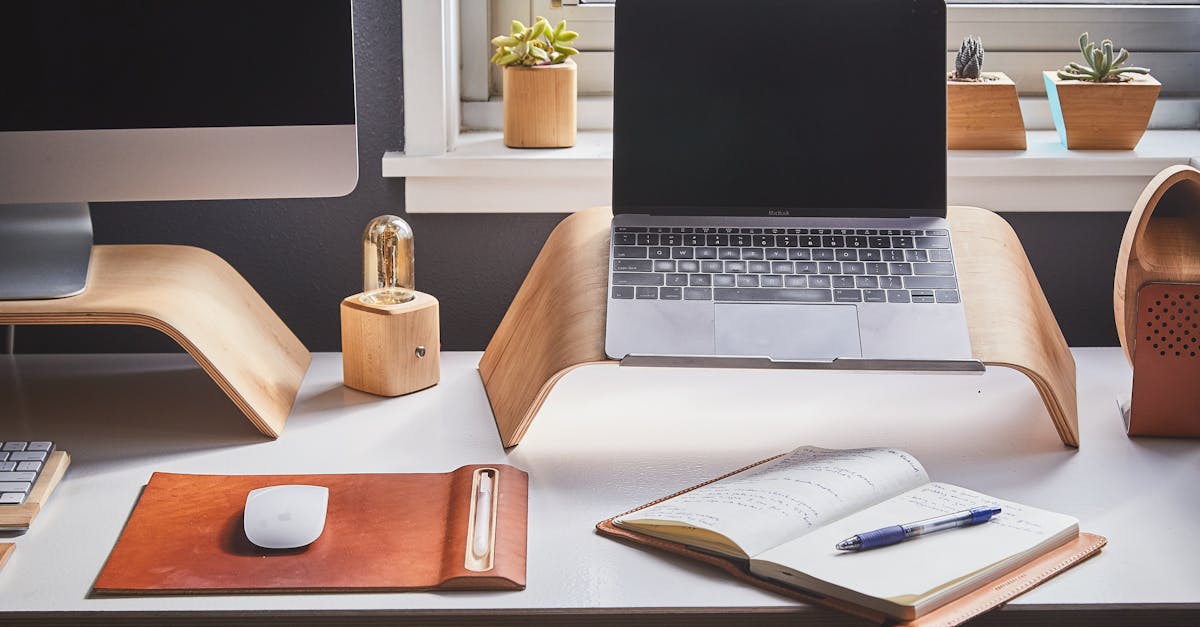
An organized workspace is crucial for efficient decluttering. A cluttered desk or office can lead to distractions and reduced productivity. By creating a designated area for work essentials, individuals can easily find what they need without sifting through unnecessary items. Keeping the workspace clean also promotes a sense of calm, making it easier to focus on tasks at hand.
Incorporating storage solutions can enhance the decluttering process. Shelves, bins, and drawer organizers can help maintain order by providing specific spots for each item. Regularly assessing and rearranging these organizational tools ensures they meet evolving needs. A well-structured environment significantly contributes to maintaining a clutter-free space, ultimately supporting both work efficiency and overall well-being.
Organizing Your Environment
Effective organization starts with an assessment of the space in question. Whether it’s a home workspace or a room filled with personal belongings, it’s essential to know what items are most valuable and which ones contribute to clutter. Establish designated areas for frequently used items, making accessibility a priority. Utilizing containers, shelves, and drawer organizers can help streamline the space, reducing visual distractions and enhancing productivity.
Creating a system that works for you is key. Consider the flow of the environment and how you interact with it daily. Items that are used regularly should be easily reachable, while infrequently used possessions can be stored further away. A well-organized space not only fosters a sense of calm but also encourages a more focused mindset, essential for both work and relaxation. Regularly revisiting and adjusting your organization strategy will help maintain an inviting atmosphere conducive to efficiency and comfort.
Adapting the 5 5 5 Rule for Different Spaces
The 5 5 5 rule can be applied effectively across various environments by simply adjusting the focus to suit the specific needs of each space. In a home setting, consider tackling five items that are no longer needed in different rooms, ensuring each area gets attention without feeling overwhelming. For instance, this could mean addressing five pieces of clothing in the closet one day, followed by five outdated kitchen gadgets the next. This methodical approach allows homeowners to manage clutter without becoming paralyzed by the extensive nature of the task.
In an office environment, adapting the rule might involve concentrating on five papers or files that require sorting or discarding. This can help prevent the accumulation of unnecessary paperwork that often clutters workspaces, impacting productivity. Additionally, applying the rule to five office supplies each week can foster a more organized and efficient working environment. By regularly focusing on these small tasks, the overall effectiveness of the workplace can improve, and employees may feel more in control of their surroundings.
Tailoring the Approach for Home and Office
Adapting the 5 5 5 rule for various environments can improve your efficiency in decluttering. In a home setting, prioritize personal items that no longer serve a purpose. Create categories for different types of objects and tackle them systematically. In the office, focus on workspace essentials. Identify five items to keep, five to donate, and five to discard. This allows for a clean and organized work environment, enhancing productivity.
Both spaces require a tailored approach for effectiveness. At home, consider emotional attachments and deal with these items sensitively. In an office, maintain a professional atmosphere by ensuring that only necessary documents and supplies are present. Regularly revisiting this method fosters a habit that encourages ongoing organization in both settings. Emphasizing a personalized method can lead to sustained progress and satisfaction in both your personal and professional life.
FAQS
What is the 5 5 5 rule for decluttering?
The 5 5 5 rule for decluttering is a simple guideline that suggests you select five items to keep, five items to donate or discard, and five minutes to start the decluttering process. This approach helps to make the task more manageable and less overwhelming.
How can I stay motivated while decluttering using the 5 5 5 rule?
Staying motivated can be achieved by setting achievable goals, celebrating small wins, and establishing a regular decluttering routine. Focusing on the progress you make with each 5-minute session can also boost your motivation.
Can the 5 5 5 rule be applied to different areas of my home?
Yes, the 5 5 5 rule can be adapted to various spaces in your home, such as your kitchen, bedroom, or living room. Tailor the items you choose to declutter based on the specific needs and clutter challenges of each area.
How does my workspace affect decluttering?
Your workspace plays a significant role in decluttering because a well-organized environment can enhance productivity and reduce stress. Applying the 5 5 5 rule in your workspace can help you maintain a clean and efficient area for work.
Is the 5 5 5 rule effective for decluttering an entire room?
While the 5 5 5 rule is a great starting point for decluttering, it’s best used for smaller areas or segments of a room. For larger spaces, consider breaking the process down into smaller sections and applying the rule repeatedly until the whole room is organized.
Related Links
What is the 50% rule in decluttering?Does decluttering improve mental health?