What is the 20 minute decluttering method?
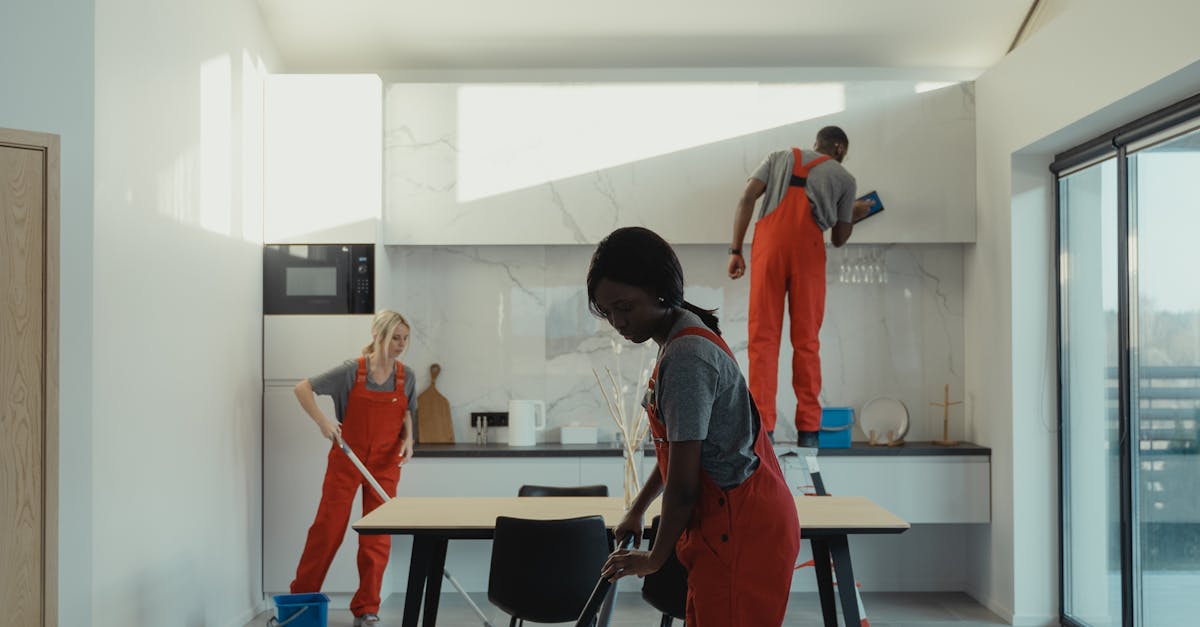
Maintaining a Decluttered Space
A clutter-free environment is essential for both mental clarity and productivity. Regular maintenance becomes necessary after the initial decluttering session. Setting aside a few minutes each day can help keep spaces organized. This routine can involve simple tasks such as putting away items that have been used, quickly wiping surfaces, or reassessing what belongs in specific areas.
Establishing systems for your belongings can also enhance organization. Using designated storage solutions helps reinforce where items should be stored. Labeling boxes or bins creates a clear understanding of where things go, making it easier to maintain an orderly space. By implementing these practices, individuals can prevent clutter from building up again, making a significant difference in their daily lives.
Hop over here to discover more.
Techniques for Long-Term Organization Success
Establishing a consistent decluttering routine is essential for maintaining an organized environment. Setting aside specific times each week to tackle clutter prevents it from building up again. Small, manageable tasks are easier to handle and help foster a habit of keeping spaces tidy. Utilizing checklists can also enhance accountability and ensure that all areas of a home receive attention over time.
Incorporating storage solutions tailored to individual needs improves long-term organization. Invest in bins, baskets, or drawer organizers to create designated spaces for items. Labeling these storage solutions can make it easier to locate belongings and encourage returning items to their rightful places. Regularly revisiting the contents of containers helps identify items that may no longer be needed, allowing for a more streamlined setup.
Adapting the Method for Different Spaces
Adjusting the 20-minute decluttering method can make a significant difference depending on the specific areas you are targeting. In spaces like the living room, focus on high-traffic areas where clutter tends to accumulate, such as coffee tables and couches. Set a timer and commit to decluttering surfaces and sorting through any misplaced items. This approach keeps the space functional and inviting, making it easier to maintain organization.
In contrast, bedrooms may require a different focus, such as tackling closets or under the bed. Spend 20 minutes sorting through clothes, shoes, and accessories. Use bins or baskets to categorize items and remove anything that no longer serves a purpose. Adapting this method helps maintain a calming environment where relaxation is prioritized. Each area will have its own unique clutter challenges, but applying the core principles of the 20-minute method ensures effective results.
Tailoring the Approach for Rooms and Areas
Every room in a home serves a unique purpose, necessitating a tailored decluttering approach. For example, in the kitchen, focus on eliminating expired food items and organizing utensils for maximum efficiency. Streamlining counter space can enhance functionality, making daily tasks more manageable. In contrast, a living room may require a different strategy, emphasizing the removal of outgrown games, old magazines, or decorative items that no longer resonate. Consider the room's primary use and adapt the decluttering process to maintain a space that reflects its intended function.
Bedrooms present their own challenges, where personal items can quickly accumulate. Begin by sorting through clothing, deciding what to keep based on usage and condition. Jewelry and accessories can be organized in designated containers, reducing visual clutter. Bathrooms often benefit from a more systematic approach, focusing on expired products and redundant tools. By allowing each area its own distinct strategy, you create a cohesive environment that remains functional and visually appealing, making it easier to maintain order in your home.
Incorporating the Method into Your Routine
Integrating the 20-minute decluttering method into your daily life can make a significant difference in maintaining order in your environment. Start by setting aside specific times each day dedicated to decluttering. Even a brief, focused session can help you tackle small areas that might accumulate clutter over time. Consistency is key. Regular short bursts of organization prevent the mess from becoming overwhelming.
To ensure the method becomes a habitual part of your routine, consider pairing it with existing activities. For instance, allocate 20 minutes of decluttering right before your regular cleaning schedule or as a break during other chores. This creates a seamless integration that feels less daunting. Establishing triggers, such as tidying up after meals or designating time on weekends, can also reinforce this habit effectively.
Tips for Regular Decluttering Sessions
Setting aside specific times for decluttering can help ensure it becomes a consistent part of your routine. Choose a daily or weekly time block that works best for you. Monitor distractions to maintain focus during these sessions. Use a timer to stick to the allotted 20 minutes, making the task feel manageable without overwhelming yourself.
Incorporating a checklist may enhance your efficiency during these sessions. Identify areas that require attention, such as a cluttered closet or a crowded desk. Create a habit of tackling one area at a time to prevent feeling overwhelmed. Reward yourself afterward for completing each session, boosting motivation to continue this practice regularly.
FAQS
What is the 20 minute decluttering method?
The 20 minute decluttering method is a time-efficient approach to organizing and tidying up your space by dedicating just 20 minutes a day to declutter specific areas, making the task less overwhelming and more manageable.
How can I maintain a decluttered space using this method?
To maintain a decluttered space, set aside 20 minutes each day to tidy up, create designated spots for items, and regularly reevaluate your belongings to ensure everything has a purpose and place.
Can the 20 minute decluttering method be adapted for different rooms?
Yes, the method can be tailored to different rooms by focusing on specific areas within each room, such as closets, drawers, or surfaces, allowing for targeted decluttering sessions that fit the unique needs of each space.
What are some tips for incorporating the 20 minute decluttering method into my routine?
To incorporate this method into your routine, schedule decluttering sessions at the same time each day, use timers to stay focused, and keep a checklist of areas to tackle over time to make progress.
How often should I engage in decluttering sessions using this method?
Ideally, engaging in decluttering sessions daily or several times a week can help maintain a clutter-free environment, but you can adjust the frequency based on your personal schedule and needs.
Related Links
What is the 10 10 10 rule for decluttering?What should I remove first when decluttering?
Boost Your Health And Wellness With IV Therapy In Flushing, NY
What does the Bible say about decluttering?